How much scaffold does a solar panel install need?
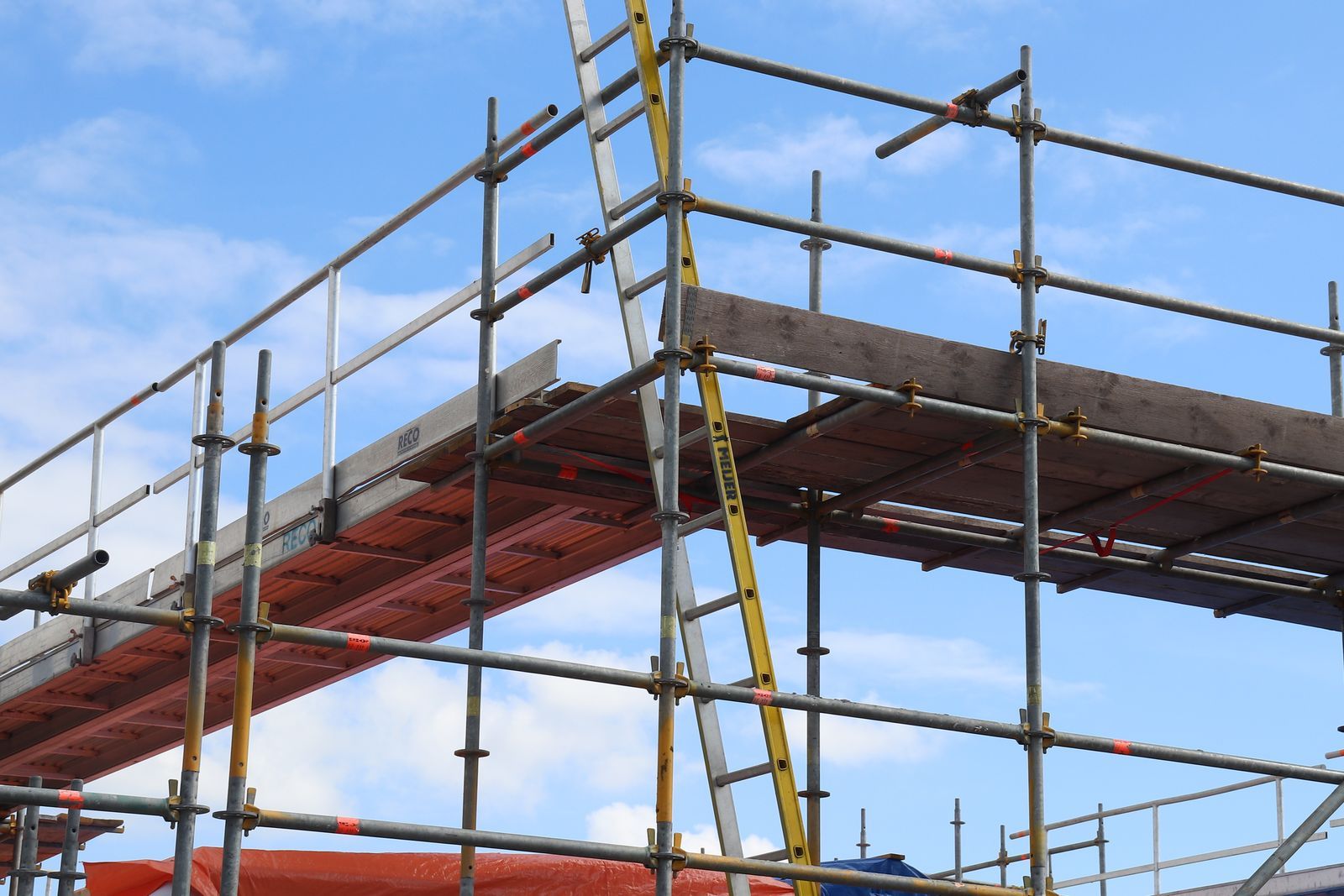
Usually a single boarded lift at gutter height along the elevation the panels are going on, with edge protection and ladder access. Where the array covers two roof faces, or the roof is being worked from both sides, it is two runs. In-roof systems, where tiles come off and the panels sit in the roof plane, generally need more working room than an on-roof system, so tell us which you are having when you ask for a price.
Can you fit the scaffold around our installer's date?
That is how we prefer to do it. Give us the install date and we put the scaffold up a day or two before, so the installers arrive to a finished platform, and we strike it once the array is signed off. If the install slips, and solar dates do slip waiting on parts or a DNO approval, let us know and we will move with it rather than charging you for standing time we could have avoided.
Do you work directly for solar companies?
Yes. We scaffold for solar installers as their access subcontractor as well as pricing directly for homeowners who have been asked to arrange their own access. If you are an installer working across Hampshire and want one scaffolder who understands what your fitters need on a roof, that is a conversation worth having.
Is scaffolding a legal requirement for solar panels?
The law requires that work at height is properly planned and that people are protected from falls, and on a pitched roof install that means edge protection and a safe working platform in practice. A reputable installer will not put fitters on your roof without it, and neither will their insurer. Towers or a single ladder are not an alternative for a full array.
How long does the scaffold need to stay up?
Most domestic solar installs are one to three days on the roof, so a week of hire usually covers it comfortably. We would rather price a sensible period and take it down promptly than have you paying for a scaffold sat idle. If the electrical work or the DNO sign-off runs on and you want it left, we can extend it.
Can you scaffold a barn or an outbuilding array?
Yes, and rural roofs are some of the more interesting solar jobs. The considerations are ground conditions for the base, the height and span of the roof, and how the panels get up there. We look at all three on the survey and set the scaffold out so there is a genuine working platform rather than something you have to climb over.